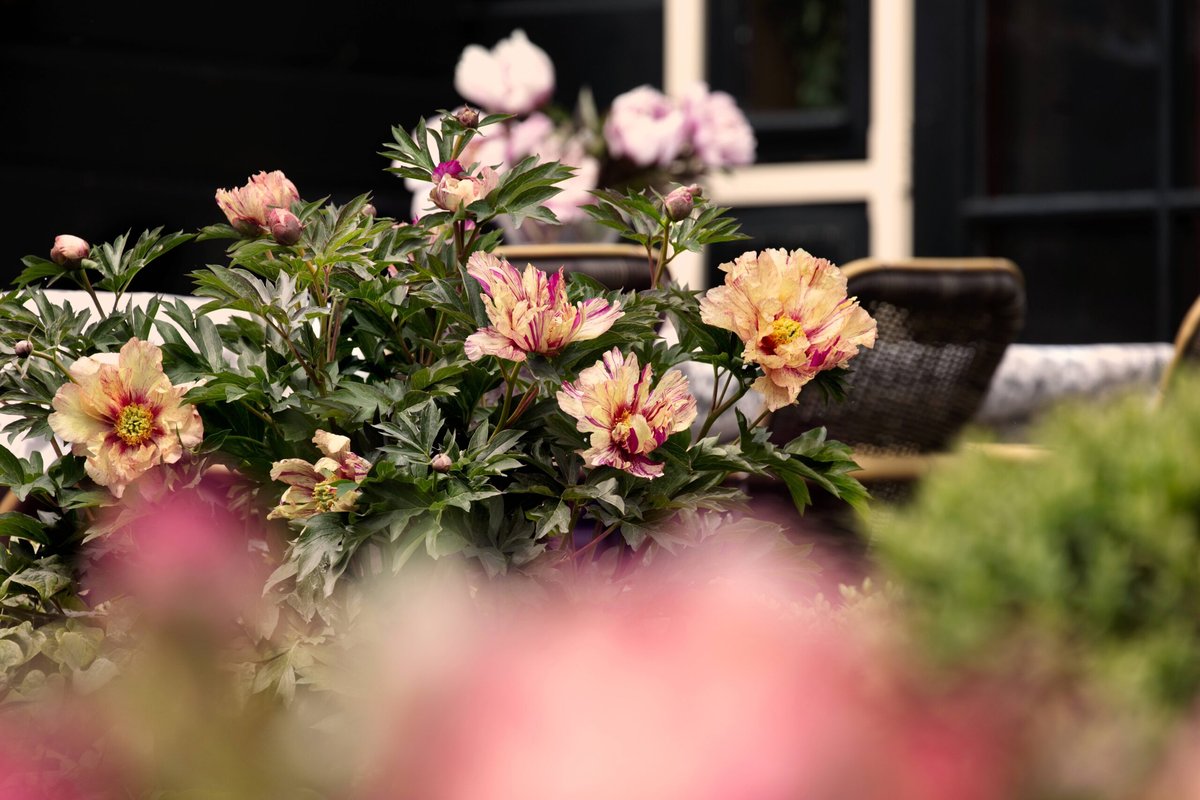
Few things rival the sheer delight of stepping into a garden alive with color, fragrance, and the quiet hum of nature. It’s an alchemy of soil, sun, and savvy design that transforms mere space into a personal sanctuary. Here at Home & Garden Inspirations, we believe everyone deserves a slice of this magic, whether you’re tending a sprawling backyard or curating a collection of potted gems on a balcony. Today, we're shining a well-deserved spotlight on an exceptional series of blooms that consistently garners praise and captures hearts: the award-winning Naturosa Rose Series.
These aren't just any roses; they're a testament to horticultural innovation, offering unparalleled beauty paired with remarkable resilience. The very team behind Home Garden Inspirations has celebrated the Naturosa series for its accolades at prestigious rose competitions, recognizing their blend of aesthetic appeal and robust health. If you've ever dreamt of a garden that truly inspires, brimming with roses that practically care for themselves, you're in for a treat.
At a Glance: Your Guide to Naturosa Rose Excellence
- Meet the Winners: Discover what makes the Naturosa Rose Series so acclaimed in the gardening world.
- Beyond the Bloom: Understand the unique qualities that set Naturosa roses apart, from disease resistance to vibrant, long-lasting color.
- Cultivating Confidence: Get practical, actionable advice for planting, caring for, and enjoying your Naturosa roses, even if you’re a beginner.
- Design with Distinction: Learn how to seamlessly integrate these stunning roses into various garden styles, from grand landscapes to intimate container displays.
- Year-Round Beauty: Tips for extending the joy and health of your rose bushes throughout the seasons.
The Allure of Award-Winning Roses: Why Naturosa Stands Out
Roses have long been the quintessential symbol of love, beauty, and grace. But let's be honest: traditional roses sometimes come with a reputation for being high-maintenance divas, demanding constant attention, spraying, and fuss. This is precisely where the Naturosa Rose Series rewrites the script, earning its stripes—and its awards—by delivering show-stopping beauty without the typical headache.
What sets them apart, according to reports from sources like homegardeninspirations.com, is their exceptional performance in rose competitions. These aren't just beauty pageants; they're rigorous trials that evaluate everything from bloom quality and fragrance to, crucially, disease resistance and overall garden performance. To win accolades in such competitive environments means a rose isn't just pretty; it's tough, reliable, and truly garden-worthy.
The Naturosa series was bred with a specific goal: to create roses that are inherently robust, requiring less intervention to thrive. This translates directly into more enjoyment for you and a healthier ecosystem for your garden. Imagine more time savoring their exquisite blooms and less time battling black spot or powdery mildew. That's the promise of Naturosa. To truly appreciate the criteria and triumphs that elevated these varieties, you might want to Discover what delighted them at these esteemed competitions. It's a fascinating look into what makes a truly outstanding rose.
Unpacking the Naturosa Advantage: More Than Meets the Eye
So, beyond the awards, what tangible benefits do Naturosa roses bring to your garden? It boils down to a combination of aesthetic brilliance and horticultural intelligence.
Durability Meets Dazzle: The Resilience Factor
Perhaps the most celebrated aspect of the Naturosa series is their inherent resistance to common rose diseases. Many varieties are bred to be naturally resistant to afflictions like black spot, powdery mildew, and rust. This isn't just a convenience; it's a game-changer.
- Reduced Chemical Use: Less spraying means a healthier environment for your family, pets, and beneficial insects.
- Vigorous Growth: Disease-free plants put all their energy into producing more blooms, stronger canes, and lusher foliage.
- Less Worry, More Enjoyment: You can spend your gardening hours admiring, not treating.
A Symphony for the Senses: Form, Fragrance, and Flourish
While resilience is key, it’s the sheer beauty of Naturosa roses that truly captivates. They offer a diverse palette of colors, from soft pastels to vibrant bolds, and a range of forms, from classic hybrid tea shapes to romantic, multi-petaled clusters.
- Profuse Bloomers: Many Naturosa varieties are known for their continuous flowering, gracing your garden with blooms from late spring until the first hard frost.
- Enchanting Fragrance: While not all roses are fragrant, many Naturosa varieties boast delightful perfumes, adding another layer of sensory pleasure to your outdoor space. Imagine a gentle breeze carrying the sweet scent of roses through your window.
- Healthy Foliage: Their robust nature means the leaves remain lush and green, providing an attractive backdrop even when the plants aren't in full bloom.
Sustainability Savvy: Gardening for the Future
Choosing disease-resistant varieties like Naturosa is a step towards more sustainable gardening. By minimizing the need for chemical interventions, you contribute to biodiversity, protect pollinators, and reduce your ecological footprint. It’s a win-win for both your garden and the planet.
Choosing Your Naturosa Star: A Guide to Selection
With a plethora of stunning options in the Naturosa series, how do you pick the perfect one for your garden? It's about aligning your desires with your garden's realities.
Know Your Zone and Space
Before you fall in love with a specific bloom, understand your USDA Hardiness Zone. While Naturosa roses are generally robust, knowing their specific cold tolerance is crucial. Also, consider the mature size of the rose.
- Bush Roses: Ideal for beds, borders, or as standalone specimens. They come in various sizes, from compact to grand.
- Climbing Roses: Perfect for adorning walls, pergolas, fences, or arbors, adding vertical interest.
- Groundcover/Spreading Roses: Excellent for mass plantings, erosion control, or filling tricky areas.
- Container Roses: Many compact Naturosa varieties thrive in pots, making them perfect for patios, balconies, or small urban gardens. If you're pondering finding the perfect rose for your space, this initial assessment is key.
Color Palette and Personal Style
Think about your existing garden colors. Do you want a harmonious blend or a vibrant contrast?
- Cool Tones: Pinks, purples, whites, and blues (rare in roses but some have lavender hues) evoke tranquility and sophistication.
- Warm Tones: Reds, oranges, and yellows bring energy and vibrancy.
- Bi-colors: Many Naturosa roses offer captivating blends, adding dynamic interest.
Fragrance Factor
If scent is a priority, seek out descriptions that specifically mention fragrance. While pictures capture beauty, only a well-researched choice will deliver that intoxicating perfume.
Bloom Form and Habit
Do you prefer classic high-centered blooms, romantic cupped petals, or charming single flowers? Consider the overall growth habit—do you want an upright bush or a more sprawling, informal presence?
By considering these factors, you'll be well-equipped to select a Naturosa rose that not only survives but thrives and brings you immense joy.
Mastering the Art of Naturosa Rose Care: Practical Steps for Success
Even with their inherent resilience, Naturosa roses still benefit from good care. Think of it as providing optimal conditions rather than constant intervention. With a few simple practices, you can ensure they reach their full award-winning potential. This section offers practical steps for mastering rose care.
1. Location, Location, Location: Sun and Soil are Supreme
- Sunlight: Roses are sun worshippers. They need at least 6 hours of direct sunlight per day to produce abundant blooms. Morning sun is particularly beneficial as it helps dry dew from leaves, reducing fungal disease risk.
- Soil: Well-draining soil is non-negotiable. Roses hate "wet feet." If you have heavy clay, amend it generously with organic matter like compost, aged manure, or peat moss to improve drainage and aeration. Ideal soil pH for roses is slightly acidic, between 6.0 and 6.5. A simple soil test can give you precise information.
2. Planting with Purpose: A Strong Start
- Preparation: Dig a hole twice as wide as the root ball and just as deep. If planting a bare-root rose, create a small mound of soil in the center of the hole to spread the roots over.
- Placement: For potted roses, ensure the top of the root ball is level with the soil surface. For grafted roses (often indicated by a bulge on the main stem), position the graft union just below or at soil level, depending on your climate (below in cold climates for winter protection).
- Backfill and Water: Backfill with your amended soil, gently firming it to remove air pockets. Water deeply immediately after planting to settle the soil.
3. Watering Wisdom: Consistency is Key
- Deep and Infrequent: Aim for deep watering 1-3 times a week, rather than shallow daily sprinkles. This encourages roots to grow deeper, making the plant more drought-tolerant.
- Timing: Water at the base of the plant in the morning to allow foliage to dry before evening, again minimizing disease risk.
- Monitor: Stick your finger about 2 inches into the soil. If it feels dry, it's time to water. Adjust frequency based on weather, soil type, and the rose's stage of growth.
4. Feeding Your Flora: Nourishment for Blooms
- Balanced Diet: Once established, feed your roses with a balanced granular rose fertilizer or a liquid feed according to product instructions. Look for fertilizers with micronutrients.
- Timing: Start fertilizing after the first flush of blooms in spring and continue every 4-6 weeks until late summer. Avoid fertilizing too late in the season, as it can encourage tender new growth that’s vulnerable to winter damage.
- Organic Options: Compost, aged manure, and alfalfa meal are excellent organic additions that slowly release nutrients and improve soil structure.
5. Pruning for Perfection: Shape, Health, and Blooms
Pruning, though sometimes intimidating, is vital for rose health and abundant flowering.
- Annual Spring Pruning: This is the most important pruning. Remove any dead, diseased, or damaged canes. Open up the center of the bush to improve air circulation. Cut back about one-third of the previous year's growth, shaping the plant. Aim for cuts at a 45-degree angle, about ¼ inch above an outward-facing bud.
- Deadheading: Throughout the growing season, remove spent blooms (deadhead) by cutting just above the first set of five leaflets on the stem. This encourages the plant to produce more flowers instead of putting energy into seed production.
- Winter Pruning (Optional): In very cold climates, a light "hardy pruning" in fall can reduce wind rock and protect the plant.
6. Proactive Pest and Disease Management: Prevention is Your Best Defense
The Naturosa series is designed for resistance, but no rose is entirely immune.
- Good Hygiene: Regularly clean up fallen leaves and debris around the base of the plant to remove potential disease spores or pest eggs.
- Proper Spacing: Ensure good air circulation between plants to reduce humidity, which favors fungal diseases.
- Inspect Regularly: Catch problems early. Look under leaves for aphids, spider mites, or early signs of fungal spots.
- Eco-Friendly Solutions: For minor pest outbreaks, a strong spray of water can dislodge aphids. Insecticidal soap or neem oil are effective organic treatments for many common pests. For more detail on keeping your plants robust, consider learning about proactive pest and disease management.
By following these fundamental care practices, your Naturosa roses will reward you with seasons of glorious, healthy blooms, making your garden a true testament to natural beauty.
Designing Your Dream Garden with Naturosa Roses: Beyond the Bush
Integrating roses into your landscape design goes far beyond just planting them in a bed. With the versatility of the Naturosa series, you can craft stunning visuals, create focal points, and add fragrance to every corner of your outdoor haven.
The Art of Companion Planting
Roses don't have to stand alone. Thoughtful companion planting can enhance their beauty, provide beneficial pest control, and fill in gaps.
- Complementary Colors: Pair Naturosa roses with plants that have complementary colors or textures. Lavender, delphiniums, and salvias offer cool tones and vertical accents.
- Foliage Contrast: Lamb's ear (Stachys byzantina) with its silver, velvety leaves creates a lovely contrast with vibrant rose blooms.
- Pest Deterrents: Herbs like garlic, chives, and marigolds are often said to deter pests and are excellent companion plants.
- Groundcovers: Low-growing plants like creeping thyme or sweet alyssum can keep rose roots cool, suppress weeds, and add another layer of beauty.
Container Gardening: Roses for Every Space
Don't have a sprawling garden? No problem! Many compact Naturosa varieties are perfect for containers, bringing elegance to patios, decks, and even windowsills.
- Choose the Right Pot: Opt for large pots (at least 15-20 gallons) with excellent drainage. Terracotta pots look beautiful but can dry out quickly; plastic or glazed ceramic retains moisture better.
- Quality Potting Mix: Use a high-quality potting mix, not garden soil, which can compact and impede drainage in containers.
- Watering & Feeding: Container roses dry out faster and deplete nutrients more quickly, so they'll need more frequent watering and feeding than their in-ground counterparts.
Creating Captivating Focal Points
A single, magnificent Naturosa rose bush can be a garden's jewel.
- Entryway Elegance: Flank your front door with matching potted roses for a grand welcome.
- Bench Surround: Plant climbing Naturosa roses around a garden bench or arbor to create a fragrant, inviting retreat.
- Mixed Borders: Weave roses throughout your perennial borders, allowing their blooms to emerge above lower-growing plants.
From Balcony to Backyard: Adapting Designs
No matter the size of your space, the principles of good design apply. The team at Home Garden Inspiration, as showcased on their YouTube channel (@homegardeninspiration), regularly highlights how to create breathtaking garden designs for diverse spaces, from lush backyard landscapes to cozy balcony gardens. Their expert tips can help spark your creativity for integrating roses into your garden design.
- Small Spaces: Embrace verticality with climbing roses or use compact varieties in window boxes and hanging baskets. Maximize impact with fewer, bolder plants.
- Medium Gardens: Create distinct "rooms" or zones within your garden. A dedicated rose bed, a mixed border, or a fragrant pathway can all work beautifully.
- Large Estates: Consider mass plantings for dramatic effect, or use roses to define pathways, delineate garden areas, or create a formal rose garden.
Remember, your garden is an extension of your personality. Naturosa roses provide a reliable and beautiful canvas upon which you can paint your unique vision.
Beyond the Bloom: Year-Round Enjoyment and Care
While the peak bloom of a rose garden is undeniably captivating, caring for your Naturosa roses ensures their long-term health and even offers beauty beyond the flower. This helps with maintaining year-round beauty.
Fall & Winter Prep: Tucking Them In
- Clean Up: As temperatures drop, continue to remove fallen leaves to prevent overwintering pests and diseases.
- Watering: Continue watering deeply until the ground freezes, especially for newly planted roses.
- Winter Protection (Cold Climates): In zones colder than a rose's hardiness, apply a mound of mulch, compost, or shredded leaves around the base (about 10-12 inches high) after the first hard frost. This protects the graft union and crown. Rose cones or burlap wraps can also offer protection. Remove protection gradually in early spring when danger of severe frost has passed.
Enjoying the "Off-Season"
- Rose Hips: If you don't deadhead all your roses, many varieties will develop attractive rose hips in the fall. These can add color and texture to the winter garden and are a valuable food source for birds.
- Architectural Interest: Even without leaves, the graceful arch of rose canes can provide structural beauty, especially climbing varieties.
- Anticipation: The dormant season is a time for rest and renewal, allowing you to plan next year's garden and eagerly await the arrival of spring's first buds.
Common Rose Questions, Demystified
You've got questions about roses, and we've got straightforward answers.
Q: My rose isn't blooming. What's wrong?
A: The most common culprits are insufficient sunlight (less than 6 hours), inadequate water or nutrients, improper pruning, or an attack by pests or diseases. Check all these factors. Naturosa roses, while prolific, still need sunshine and food!
Q: Do I need to spray my Naturosa roses?
A: While Naturosa roses boast excellent disease resistance, they aren't completely immune. Regular inspection is key. For most home gardeners, a proactive approach with good cultural practices (sun, air circulation, good hygiene) is often enough. If a problem does arise, start with organic, targeted treatments like insecticidal soap or neem oil before resorting to stronger chemicals.
Q: When is the best time to plant roses?
A: Bare-root roses are best planted in early spring as soon as the soil is workable. Potted roses can be planted anytime from spring to late summer, as long as they have enough time to establish before winter (typically 6-8 weeks).
Q: What's the difference between a shrub rose and a floribunda?
A: Shrub roses are a broad category encompassing many modern roses that don't fit into other classifications. They're generally robust, disease-resistant, and can have varying bloom forms and sizes. Floribundas are known for producing clusters of flowers, offering a continuous display of color. Hybrid Teas, by contrast, typically produce large, single blooms on long stems. The Naturosa series includes varieties that fit several of these growth habits, offering diverse choices.
Q: Can I grow roses indoors?
A: Technically, yes, but it's challenging. Roses require immense sunlight (at least 6-8 hours direct sun), good air circulation, and consistent moisture, which are hard to replicate indoors. Miniature roses are sometimes grown indoors, but even they benefit from spending time outside. Naturosa varieties are primarily bred for outdoor garden performance.
Your Next Step to a Breathtaking Garden
The Naturosa Rose Series offers an exciting pathway to a truly beautiful and manageable garden. By blending resilience with breathtaking aesthetics, these award-winning roses allow you to spend less time fussing and more time simply enjoying.
Ready to transform your outdoor space? Start by researching specific Naturosa varieties that appeal to your taste and suit your local climate. Visit your local reputable nursery or browse online suppliers to see what's available. Remember, the journey of creating an inspiring home and garden is a continuous, rewarding one, and the Naturosa series is a magnificent companion for that adventure.
So, go ahead: dream big, plant smart, and let the timeless beauty of award-winning Naturosa roses fill your garden with wonder. Your personal paradise awaits!